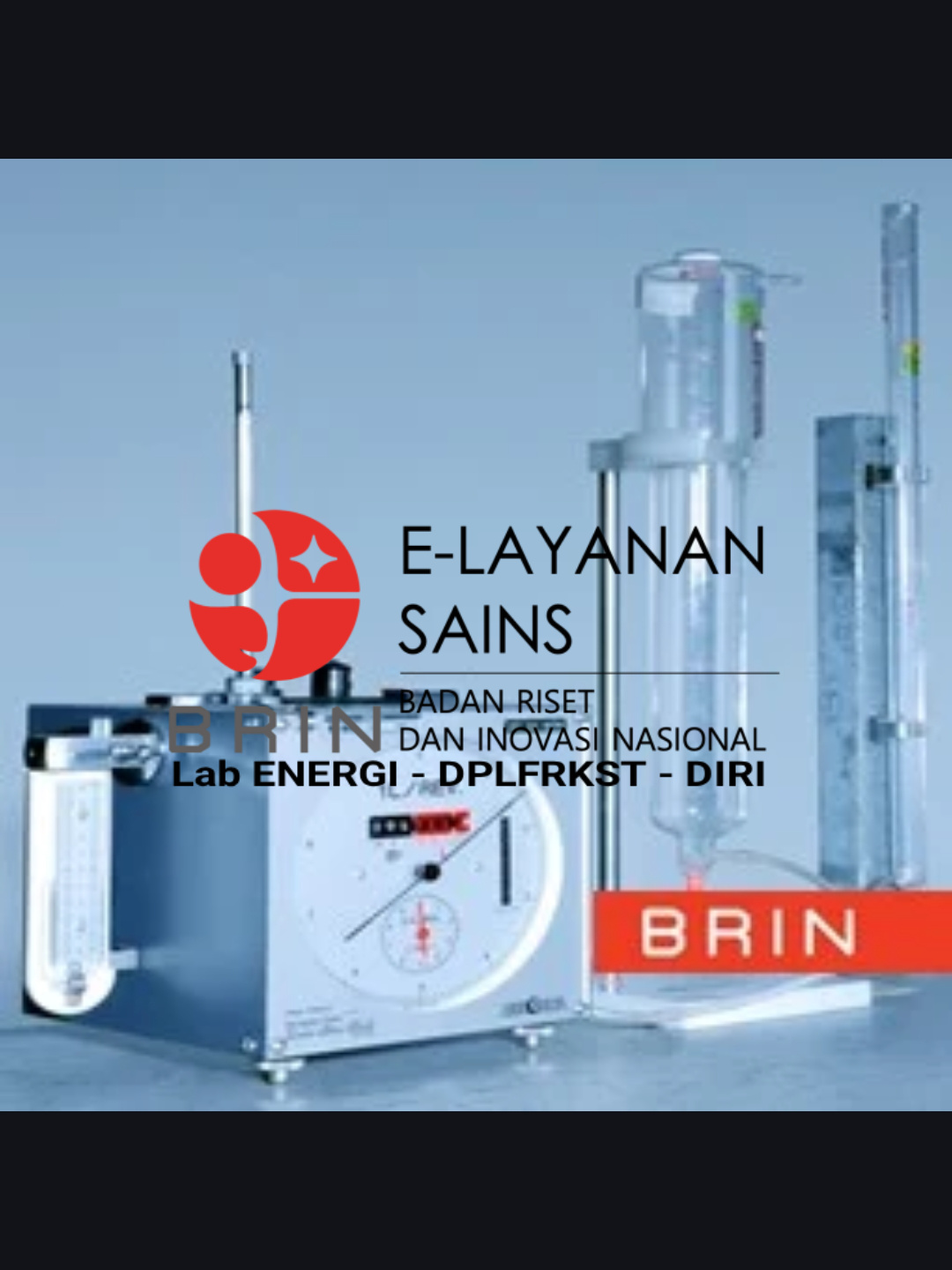


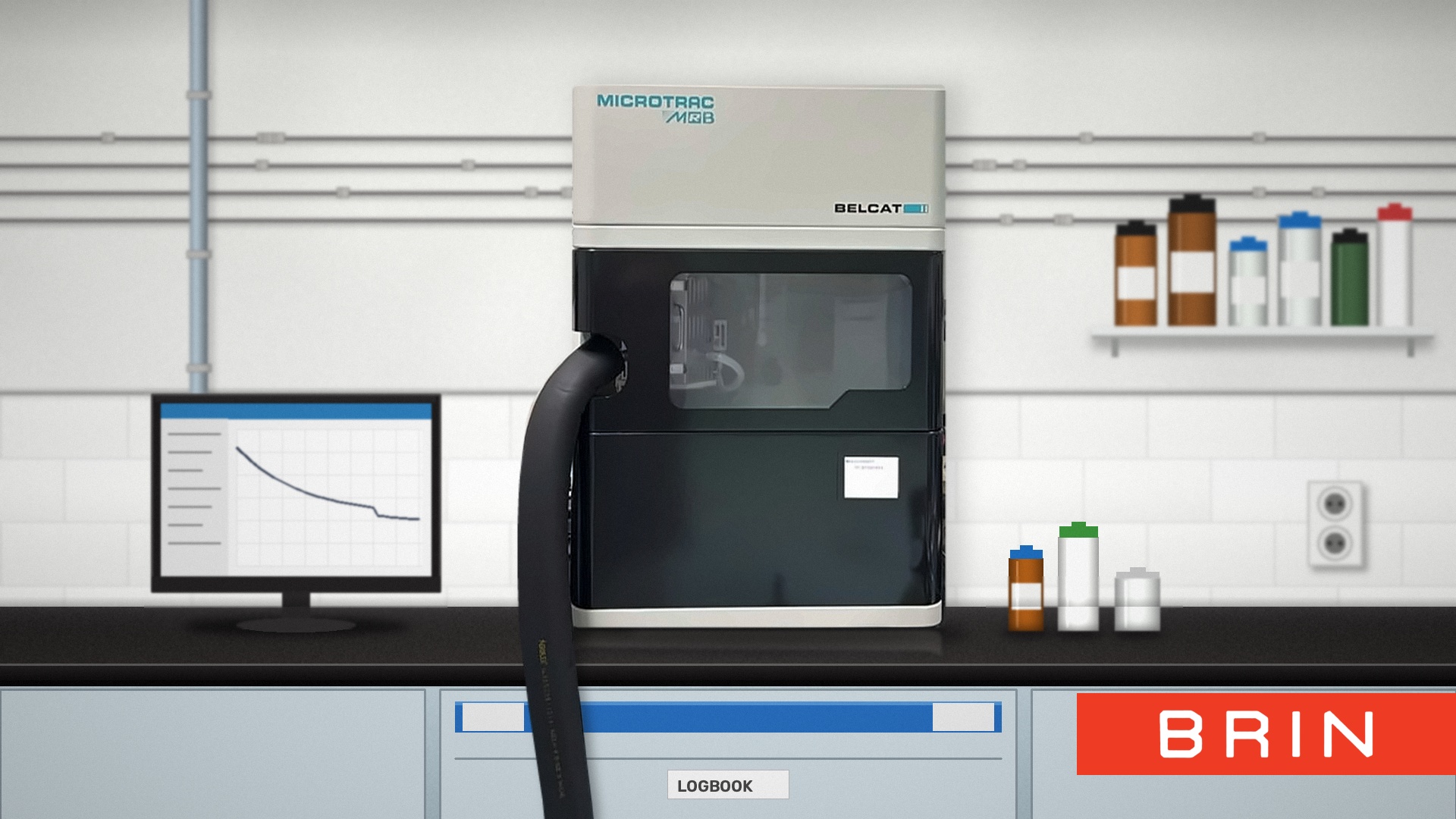
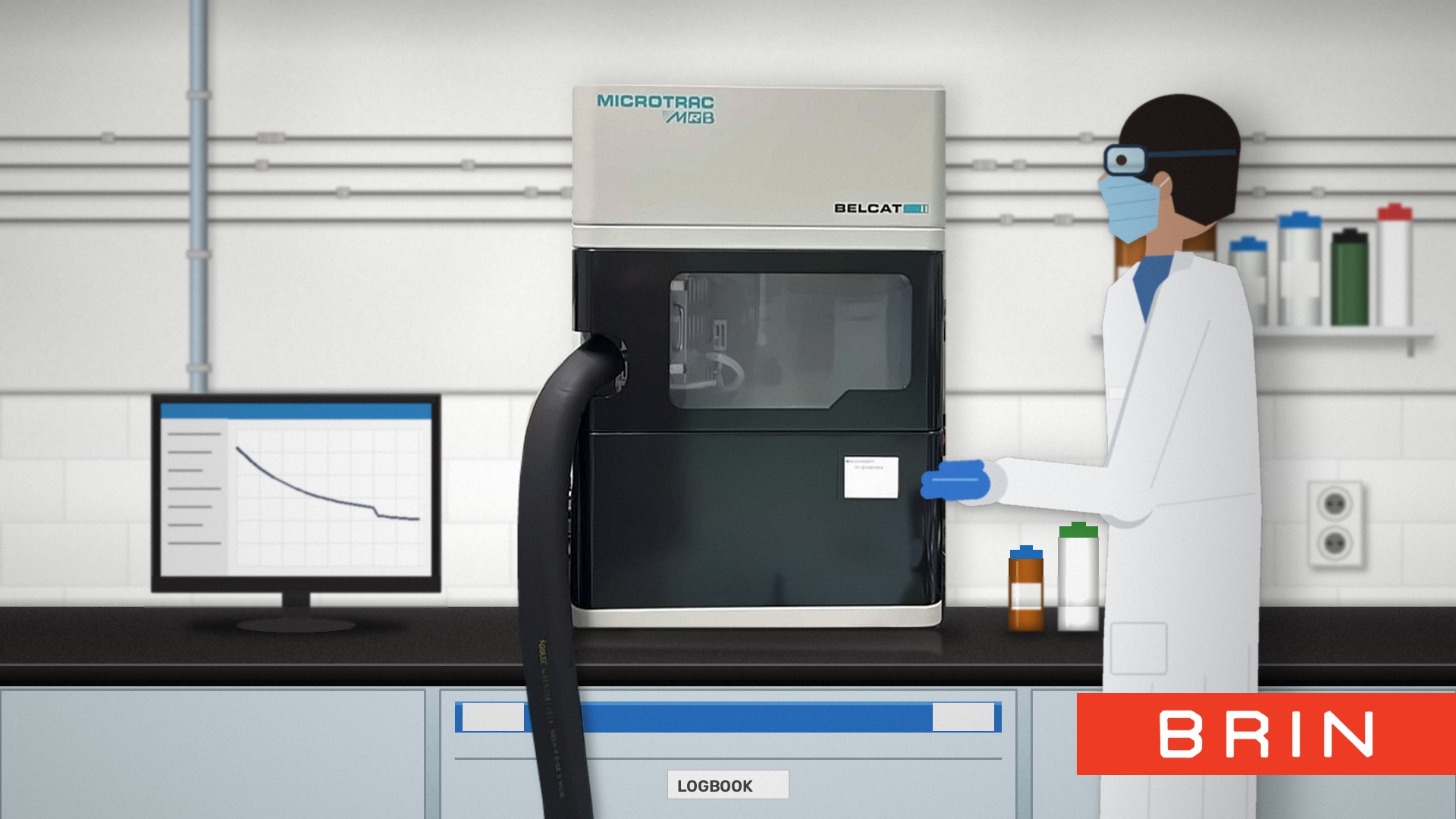
SERVICE DESCRIPTION | 🔬 ADVANCED CHARACTERIZATION – CHEMISORPTION NH₃-TPD | CO₂-TPD | O₂-TPD | H₂-TPD 🧪 Surface Properties and Adsorption Characteristics Analysis Using BELCAT II Enhance your material characterization and catalyst performance evaluation through our…
- Laboratorium Karakterisasi Kimia (MIP)
- PT. Integrasi Lab Indonesia
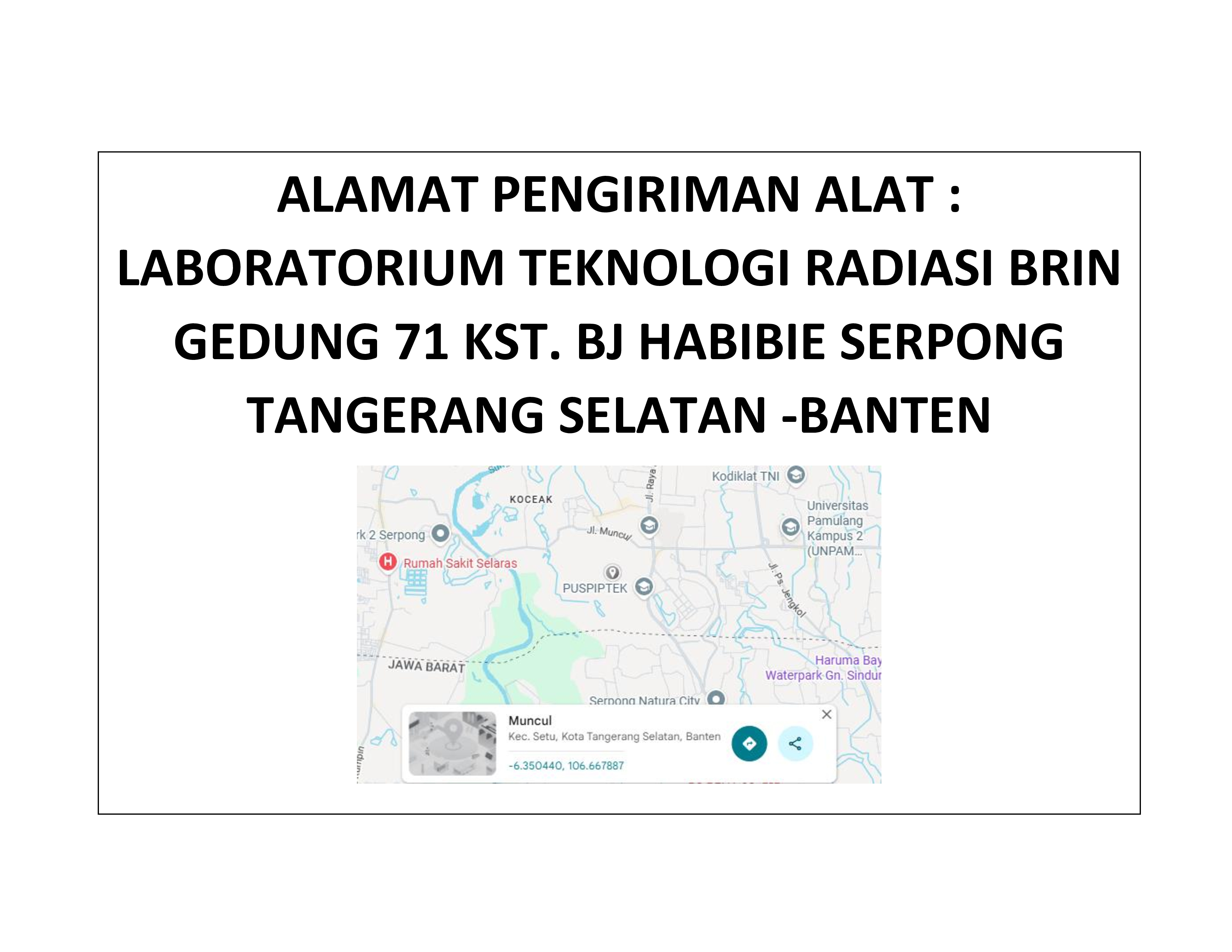
- KST Serpong (Bacharuddin Jusuf Habibie)
KST. BJ Habibie, Gedung SBSN dan 456, Laboratorium Kimia BRIN - ILI Serpong Tangerang Selatan, Banten 15314 - 08119811561
- sales@labindonesia.co.id
NH₃-TPD | CO₂-TPD | O₂-TPD | H₂-TPD
🧪 Surface Properties and Adsorption Characteristics Analysis Using BELCAT IIEnhance your material characterization and catalyst performance evaluation through our Chemisorption Testing Service using the BELCAT II instrument.
Chemisorption is an essential surface characterization technique for identifying the quantity, strength, and characteristics of active sites on material surfaces, particularly in heterogeneous catalysts.
Using Temperature-Programmed Desorption (TPD) techniques, this service provides valuable insights into surface acidity, basicity, oxygen adsorption behavior, and hydrogen-surface interactions. The results can support catalyst characterization, functional material development, and research aimed at optimizing catalytic processes.
⚗️ Available Testing Methods1. 🧫 NH₃-TPD (Ammonia Temperature-Programmed Desorption)
NH₃-TPD is used to determine the amount and strength distribution of acidic sites on material surfaces. The analysis involves adsorbing ammonia gas (NH₃) onto the material, followed by controlled heating to induce desorption. The released gas is subsequently detected using a Thermal Conductivity Detector (TCD).
🔹 Applications: Catalyst acidity characterization, identification of acid site strength distribution, and evaluation of materials for acid-catalyzed applications.
2. 🧪 CO₂-TPD (Carbon Dioxide Temperature-Programmed Desorption)
CO₂-TPD is used to evaluate the amount and strength distribution of basic sites on material surfaces. The method involves adsorbing carbon dioxide (CO₂) onto the material, followed by programmed heating to release the adsorbed gas. The desorbed gas is analyzed using a TCD detector.
🔹 Applications: Catalyst basicity characterization, evaluation of active basic sites, and development of materials for base-catalyzed reactions.
3. 💨 O₂-TPD (Oxygen Temperature-Programmed Desorption)
O₂-TPD is used to evaluate the adsorption and desorption characteristics of oxygen on material surfaces. The analysis involves oxygen (O₂) adsorption, followed by programmed heating to monitor its desorption profile using a TCD detector.
🔹 Applications: Investigation of surface oxygen characteristics, evaluation of oxygen-material interactions, and research on metal oxide catalysts and oxygen-based materials.
4. ⚛️ H₂-TPD (Hydrogen Temperature-Programmed Desorption)
H₂-TPD is used to evaluate the hydrogen adsorption characteristics of material surfaces, including the strength of interactions between hydrogen and active sites. Hydrogen gas (H₂) is adsorbed onto the material and subsequently released through programmed heating. The desorbed hydrogen is detected using a TCD detector.
🔹 Applications: Characterization of hydrogen-surface interactions, evaluation of active catalytic sites, and material research for hydrogenation and catalytic applications.
5. 🔩 Metal Dispersion (CO Chemisorption)
This method is used to determine the degree of dispersion of active metals on the catalyst surface through carbon monoxide (CO) gas chemisorption. The testing principle is based on the ability of CO molecules to selectively adsorb onto active metal sites on the material surface.
The amount of adsorbed CO is used to estimate the number of active metal sites accessible to gas molecules. Based on these data, several metal characteristics can be evaluated, including metal dispersion, metal surface area, and estimated metal particle size, taking into account the CO-to-metal adsorption stoichiometry.
🔹 Applications: Determination of active metal dispersion in catalysts, evaluation of metal surface area, characterization of active metal sites, and investigation of the relationship between metal characteristics and catalytic activity.
Note: This test is primarily intended for catalysts containing active metals capable of adsorbing CO, such as Pt, Pd, Rh, Ru, Ni, and other metals suitable for this testing method.
📋 Sample Specifications and RequirementsTo ensure optimal testing conditions and reliable analytical results, all submitted samples must meet the following requirements:
-
🧱 Sample form: Samples must be in solid powder form.
-
🌡️ Thermal stability: Samples must remain stable within the specified measurement temperature range and must not undergo decomposition or degradation during testing.
-
⚠️ Sample safety: Samples must be non-hazardous, non-corrosive, and must not pose a risk of damaging the instrument.
-
⚖️ Minimum sample weight: 0.2 grams per sample.
-
🧬 Material information: Customers must clearly specify the material type and provide relevant information regarding its composition or constituents.
-
📝 Requested analysis: Customers MUST specify the desired testing method (NH₃-TPD / CO₂-TPD / O₂-TPD / H₂-TPD) in the description field when submitting a service request.
-
📥 Testing form: Customers are required to complete the testing request form, which can be downloaded from the Service Documents menu.
-
📤 Document upload: The completed form must be uploaded when submitting the testing request.
-
🔢 Sample limit: A maximum of 2 samples is permitted per service request.
-
📂 Additional samples: Requests involving more than 2 samples must be submitted separately.
-
🧾 Testing fee: IDR 500,000 per sample per parameter.
-
🏢 External customers: An additional VAT charge applies in accordance with applicable tax regulations.
https://wa.me/6282120120100
Service status information and complaints:
https://wa.me/628119811561
Application Requirements:
- Photo
- Other Supporting File
| File Name | File Size | |
|---|---|---|
| Service SOP/Form file | 0.04 MB | |
| Template Photo | 0 MB | |
| Template Other Supporting File | 0 MB |