
Gratis
DESKRIPSI LAYANAN | Topik Kegiatan/Riset: Studi Komprehensif Dampak Badai Matahari terhadap Imfrasound, Geomagnet, dan Ionosfer. Ruang Lingkup Topik Kegiatan/Riset: ### **1. Dampak Badai Matahari terhadap Infrasound** - **Pemantauan variasi infrasound** akibat gangguan…
- Pusat Riset Antariksa
- KST Cisitu (Samaun Samadikun)
Topik Kegiatan/Riset:
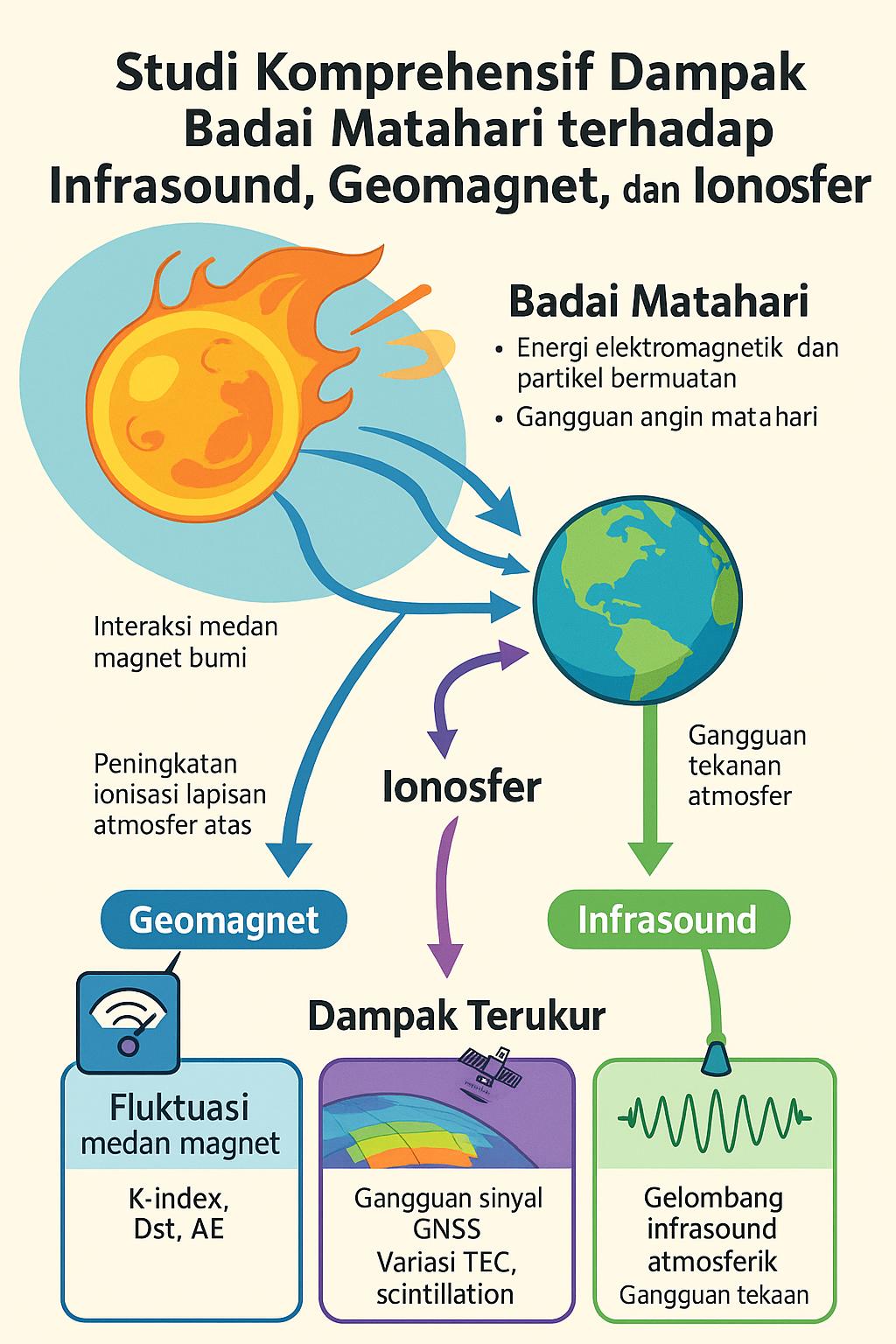
Studi Komprehensif Dampak Badai Matahari terhadap Imfrasound, Geomagnet, dan Ionosfer.
Ruang Lingkup Topik Kegiatan/Riset:
### **1. Dampak Badai Matahari terhadap Infrasound**
- **Pemantauan variasi infrasound** akibat gangguan badai Matahari.
- Analisis hubungan antara **gangguan partikel energetik Matahari (CME, flare)** dengan perubahan propagasi infrasound di atmosfer.
- Studi pengaruh **perubahan suhu dan densitas atmosfer** (akibat pemanasan dari badai Matahari) terhadap karakteristik infrasound.
- Aplikasi dalam **deteksi dini gangguan atmosfer** yang terkait dengan aktivitas Matahari ekstrem.
### **2. Dampak Badai Matahari terhadap Medan Geomagnet (Geomagnetosphere)**
- Pemantauan **gangguan geomagnetik** (G1-G5 dalam skala NOAA) akibat interaksi angin Matahari dengan magnetosfer.
- Analisis **indeks geomagnetik (Kp, Dst, AE)** selama badai Matahari.
- Investigasi **geomagnetic induced currents (GIC)** yang memengaruhi infrastruktur listrik dan komunikasi.
- Pemodelan **rekoneksi magnetik** dan dampaknya terhadap struktur medan magnet Bumi.
### **3. Dampak Badai Matahari terhadap Ionosfer**
- Studi variasi **kerapatan elektron ionosfer (TEC - Total Electron Content)** akibat badai Matahari.
- Pengamatan **gangguan komunikasi radio (HF & satelit)** dan sistem navigasi (GPS/GNSS) karena fluktuasi ionosfer.
- Analisis **scintilasi ionosfer** dan pembentukan **lapisan F2 yang tidak stabil**.
- Pemodelan **disturbansi ionosfer** menggunakan data satelit (seperti SWARM, COSMIC) dan observasi ground-based (ionosonde, radar).
### **4. Integrasi dan Pemodelan Sistem**
- Pengembangan **model numerik** untuk memprediksi dampak badai Matahari secara holistik.
- Korelasi data dari **multi-instrument (magnetometer, infrasound sensor, ionosonde, satelit)** untuk pemahaman yang lebih komprehensif.
- Simulasi skenario **badai Matahari ekstrem** dan dampaknya terhadap infrastruktur teknologi.
### **5. Aplikasi dan Mitigasi**
- Rekomendasi untuk **proteksi infrastruktur kritis** (jaringan listrik, komunikasi, navigasi).
- Pengembangan **sistem peringatan dini** berbasis pengamatan real-time.
- Studi dampak jangka panjang terhadap **iklim luar angkasa (space weather)** dan lingkungan Bumi.
Program Studi/Jurusan Pendidikan:
1. Bidang Fisika & Geofisika - Fisika (Fisika Teoretis/Eksperimen)
→ Memahami dasar-dasar elektromagnetisme, fisika plasma, dan dinamika partikel. - **Geofisika** → Studi medan magnet Bumi (geomagnet), seismologi (infrasound), dan fisika ionosfer. - **Fisika Bumi & Antariksa** → Khusus mempelajari interaksi Matahari-Bumi dan cuaca antariksa (space weather).
2. Bidang Astronomi & Astrofisika - Astronomi
→ Memahami aktivitas Matahari (CME, flare, angin Matahari). - **Astrofisika** → Pemodelan fisika plasma dan dinamika partikel energetik.
3. Bidang Teknik & Rekayasa - Teknik Elektro (Telekomunikasi, Elektromagnetik)
→ Analisis gangguan sinyal radio, GPS, dan efek geomagnetik pada infrastruktur. - **Teknik Dirgantara/Aeronautika** → Dampak badai Matahari pada atmosfer dan navigasi. - **Teknik Geomatika/Geodesi** → Pemrosesan data satelit dan penginderaan jauh untuk ionosfer.
4. Bidang Ilmu Atmosfer & Lingkungan - Meteorologi & Klimatologi
→ Dampak badai Matahari pada lapisan atmosfer. - **Ilmu Kelautan & Atmosfer** → Studi propagasi infrasound di atmosfer.
5. Bidang Ilmu Komputer & Data Science - Ilmu Komputer (Komputasi Sains)
→ Pemodelan numerik, simulasi cuaca antariksa, dan machine learning untuk prediksi. - **Data Science** → Pengolahan big data dari satelit, sensor geomagnet, dan ionosonde.
6. Bidang Instrumentasi & Teknologi Pengamatan - Teknik Fisika (Instrumentasi)
→ Pengembangan sensor infrasound, magnetometer, dan peralatan observasi. - **Remote Sensing/Penginderaan Jauh** → Analisis data satelit untuk ionosfer dan geomagnet.
Kuota Mahasiswa:
5
Lokasi Kerja/Magang/Riset:
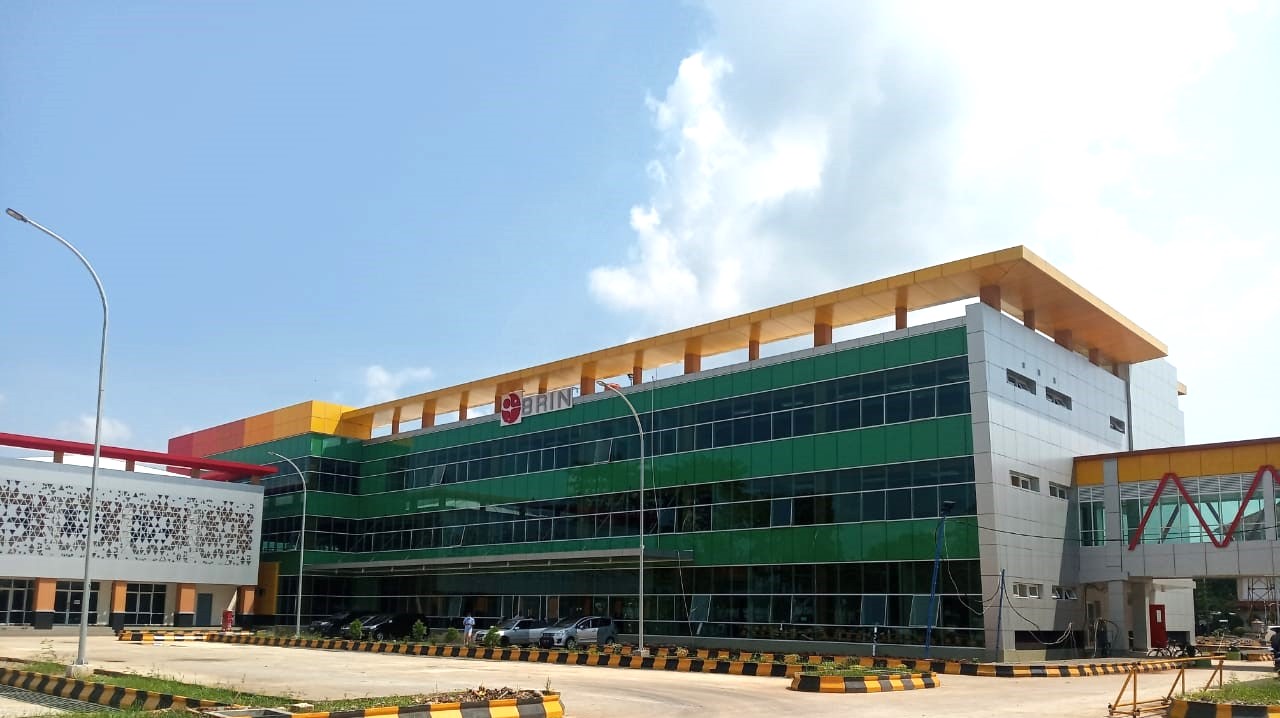
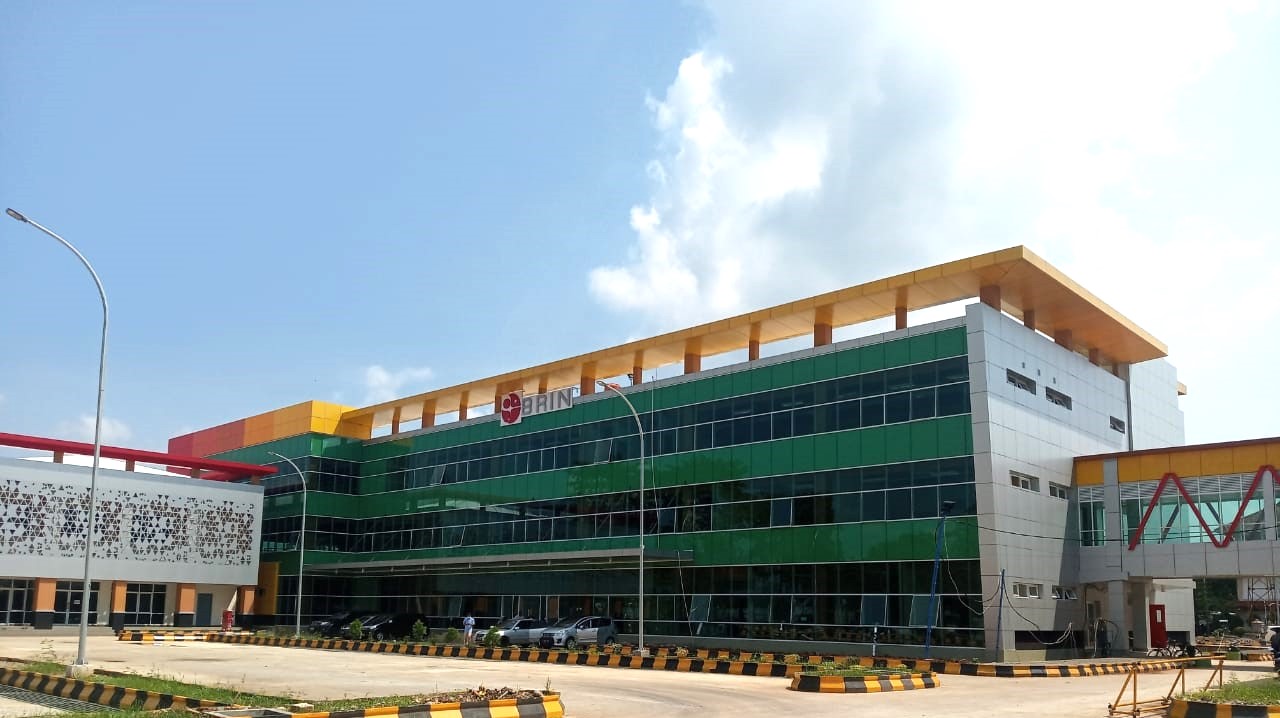
KST Cisitu (Samaun Samadikun)
Syarat Pengajuan:
Studi Komprehensif Dampak Badai Matahari terhadap Imfrasound, Geomagnet, dan Ionosfer.
Ruang Lingkup Topik Kegiatan/Riset:
### **1. Dampak Badai Matahari terhadap Infrasound**
- **Pemantauan variasi infrasound** akibat gangguan badai Matahari.
- Analisis hubungan antara **gangguan partikel energetik Matahari (CME, flare)** dengan perubahan propagasi infrasound di atmosfer.
- Studi pengaruh **perubahan suhu dan densitas atmosfer** (akibat pemanasan dari badai Matahari) terhadap karakteristik infrasound.
- Aplikasi dalam **deteksi dini gangguan atmosfer** yang terkait dengan aktivitas Matahari ekstrem.
### **2. Dampak Badai Matahari terhadap Medan Geomagnet (Geomagnetosphere)**
- Pemantauan **gangguan geomagnetik** (G1-G5 dalam skala NOAA) akibat interaksi angin Matahari dengan magnetosfer.
- Analisis **indeks geomagnetik (Kp, Dst, AE)** selama badai Matahari.
- Investigasi **geomagnetic induced currents (GIC)** yang memengaruhi infrastruktur listrik dan komunikasi.
- Pemodelan **rekoneksi magnetik** dan dampaknya terhadap struktur medan magnet Bumi.
### **3. Dampak Badai Matahari terhadap Ionosfer**
- Studi variasi **kerapatan elektron ionosfer (TEC - Total Electron Content)** akibat badai Matahari.
- Pengamatan **gangguan komunikasi radio (HF & satelit)** dan sistem navigasi (GPS/GNSS) karena fluktuasi ionosfer.
- Analisis **scintilasi ionosfer** dan pembentukan **lapisan F2 yang tidak stabil**.
- Pemodelan **disturbansi ionosfer** menggunakan data satelit (seperti SWARM, COSMIC) dan observasi ground-based (ionosonde, radar).
### **4. Integrasi dan Pemodelan Sistem**
- Pengembangan **model numerik** untuk memprediksi dampak badai Matahari secara holistik.
- Korelasi data dari **multi-instrument (magnetometer, infrasound sensor, ionosonde, satelit)** untuk pemahaman yang lebih komprehensif.
- Simulasi skenario **badai Matahari ekstrem** dan dampaknya terhadap infrastruktur teknologi.
### **5. Aplikasi dan Mitigasi**
- Rekomendasi untuk **proteksi infrastruktur kritis** (jaringan listrik, komunikasi, navigasi).
- Pengembangan **sistem peringatan dini** berbasis pengamatan real-time.
- Studi dampak jangka panjang terhadap **iklim luar angkasa (space weather)** dan lingkungan Bumi.
Program Studi/Jurusan Pendidikan:
1. Bidang Fisika & Geofisika - Fisika (Fisika Teoretis/Eksperimen)
→ Memahami dasar-dasar elektromagnetisme, fisika plasma, dan dinamika partikel. - **Geofisika** → Studi medan magnet Bumi (geomagnet), seismologi (infrasound), dan fisika ionosfer. - **Fisika Bumi & Antariksa** → Khusus mempelajari interaksi Matahari-Bumi dan cuaca antariksa (space weather).
2. Bidang Astronomi & Astrofisika - Astronomi
→ Memahami aktivitas Matahari (CME, flare, angin Matahari). - **Astrofisika** → Pemodelan fisika plasma dan dinamika partikel energetik.
3. Bidang Teknik & Rekayasa - Teknik Elektro (Telekomunikasi, Elektromagnetik)
→ Analisis gangguan sinyal radio, GPS, dan efek geomagnetik pada infrastruktur. - **Teknik Dirgantara/Aeronautika** → Dampak badai Matahari pada atmosfer dan navigasi. - **Teknik Geomatika/Geodesi** → Pemrosesan data satelit dan penginderaan jauh untuk ionosfer.
4. Bidang Ilmu Atmosfer & Lingkungan - Meteorologi & Klimatologi
→ Dampak badai Matahari pada lapisan atmosfer. - **Ilmu Kelautan & Atmosfer** → Studi propagasi infrasound di atmosfer.
5. Bidang Ilmu Komputer & Data Science - Ilmu Komputer (Komputasi Sains)
→ Pemodelan numerik, simulasi cuaca antariksa, dan machine learning untuk prediksi. - **Data Science** → Pengolahan big data dari satelit, sensor geomagnet, dan ionosonde.
6. Bidang Instrumentasi & Teknologi Pengamatan - Teknik Fisika (Instrumentasi)
→ Pengembangan sensor infrasound, magnetometer, dan peralatan observasi. - **Remote Sensing/Penginderaan Jauh** → Analisis data satelit untuk ionosfer dan geomagnet.
Kuota Mahasiswa:
5
Lokasi Kerja/Magang/Riset:
KST Cisitu (Samaun Samadikun)
Syarat Pengajuan:
- Surat Pengantar
- File Data Transkrip
- File Data Foto
- File Data Identitas
- File Data CV
- File Proposal
- Surat Perjanjian