
Paid
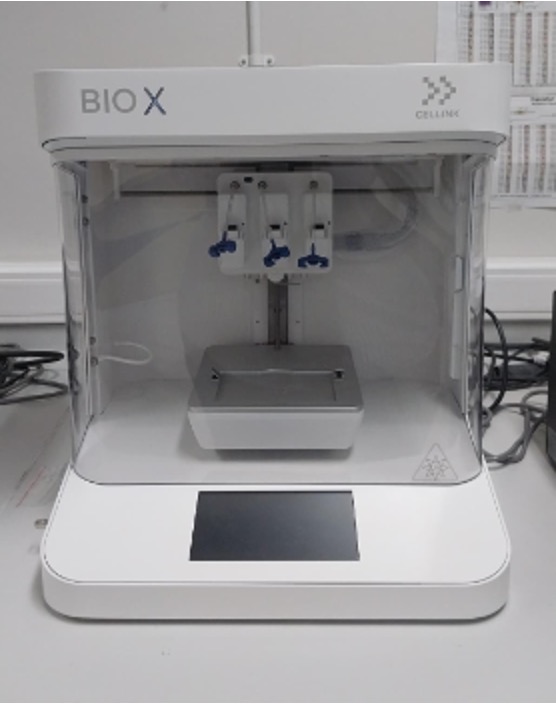
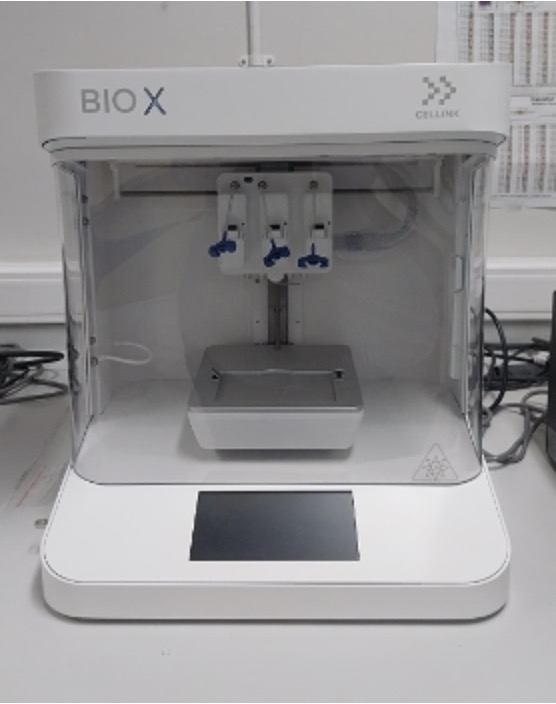
SERVICE DESCRIPTION | The Bio X is a flexible and stand-alone bioprinting system. Its primary feature is the use of three Intelligent Printheads that are easily interchangeable, allowing for the use of various material types within a single printing process. Printheads: Supports…
- Laboratorium Mekanika Material dan Struktur - Laboratorium Nanomaterial
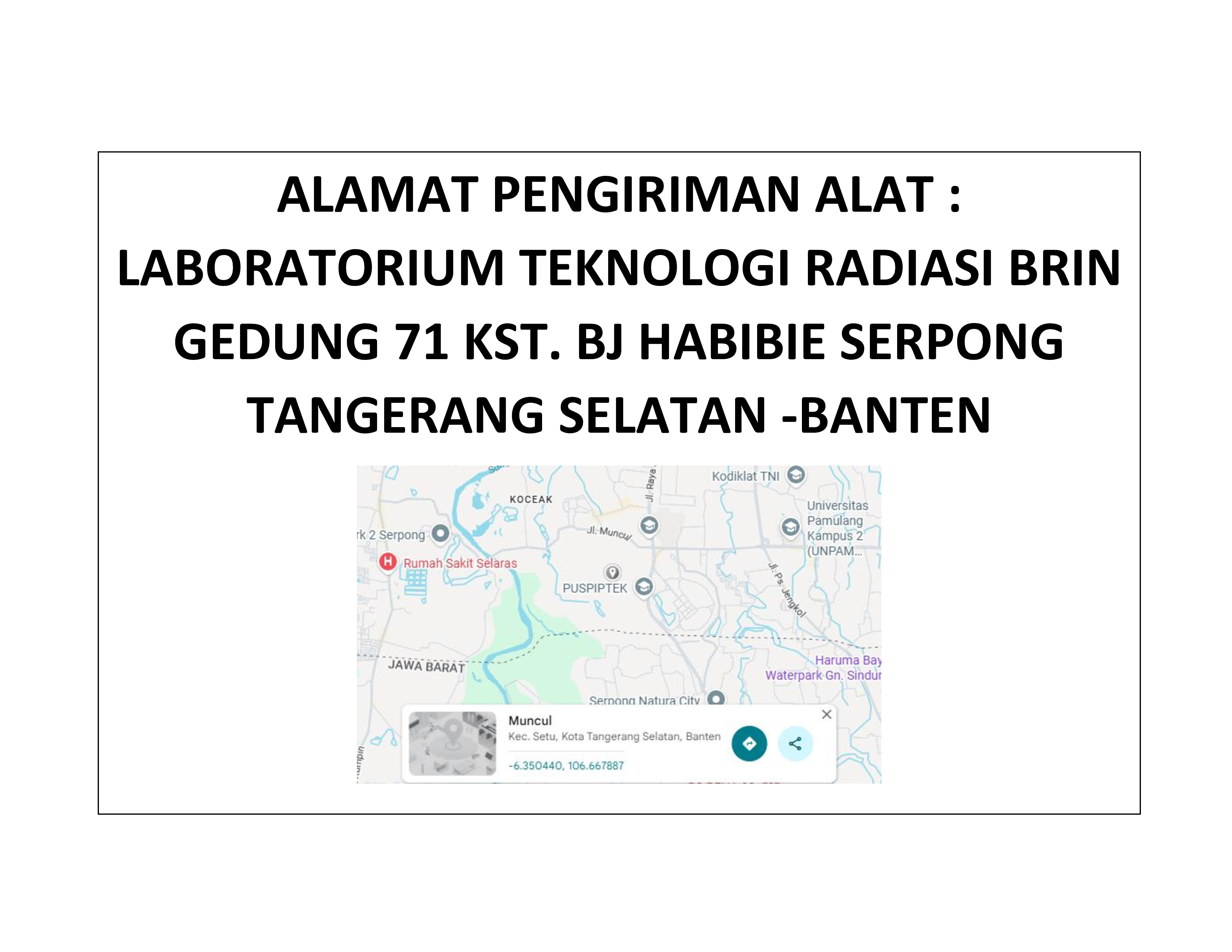
- KST Serpong (Bacharuddin Jusuf Habibie)
Laboratorium Mekanika Struktur Gd. 225 KST BJ Habibie - BRIN Serpong - 08119811569
- lab.tks@brin.go.id
Marketing Office
Deputi Bidang Infrastruktur Riset dan Inovasi BRIN
-
The Bio X is a flexible and stand-alone bioprinting system. Its primary feature is the use of three Intelligent Printheads that are easily interchangeable, allowing for the use of various material types within a single printing process.
Printheads: Supports a wide range of technologies, including pneumatic extrusion, thermoplastic, and inkjet.
Sample Requirements (Bioink)
Optimal Viscosity: The sample must be fluid enough to be extruded through the nozzle, yet viscous enough to maintain its shape once printed.
Shear Thinning: Ideally, the bioink should exhibit shear-thinning properties—becoming thinner (less viscous) when under pressure in the needle to protect cells from mechanical stress, and thickening again immediately after extrusion.
Cross-linking Capability: The sample must be able to solidify immediately after printing, whether through light (UV/Visible light), temperature changes, or chemical additives (e.g., calcium chloride for alginate).
For Biological Samples:
Biocompatibility: The material must be non-toxic to cells.
Sterility: Samples must be completely sterile before being loaded into the device.
Cell Viability: When printing with live cells, the cell concentration must be optimized to prevent clogging the nozzle while remaining sufficient for tissue growth.
Application Requirements:
Printheads: Supports a wide range of technologies, including pneumatic extrusion, thermoplastic, and inkjet.
Sample Requirements (Bioink)
Optimal Viscosity: The sample must be fluid enough to be extruded through the nozzle, yet viscous enough to maintain its shape once printed.
Shear Thinning: Ideally, the bioink should exhibit shear-thinning properties—becoming thinner (less viscous) when under pressure in the needle to protect cells from mechanical stress, and thickening again immediately after extrusion.
Cross-linking Capability: The sample must be able to solidify immediately after printing, whether through light (UV/Visible light), temperature changes, or chemical additives (e.g., calcium chloride for alginate).
For Biological Samples:
Biocompatibility: The material must be non-toxic to cells.
Sterility: Samples must be completely sterile before being loaded into the device.
Cell Viability: When printing with live cells, the cell concentration must be optimized to prevent clogging the nozzle while remaining sufficient for tissue growth.
Application Requirements:
- Photo
- Other Supporting File
| File Name | File Size | |
|---|---|---|
| Service SOP/Form file | 0.05 MB | |
| Template Photo | 0 MB | |
| Template Other Supporting File | 0 MB |