
SERVICE DESCRIPTION | MINIJET PRO HAAKE Service Description The Minijet Pro HAAKE is a molding machine equipped with a hydraulic pressure system and heating system, designed to produce dumbbell-shaped specimens from thermoplastic materials in accordance with ASTM D638 Type…
- iLaB (Integrated Laboratory of Bioproducts) - ORNM
- KST Cibinong (Soekarno)
KST Ir Soekarno - 087884931709
- maya007@brin.go.id
Service Description
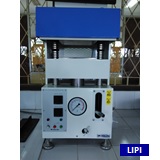
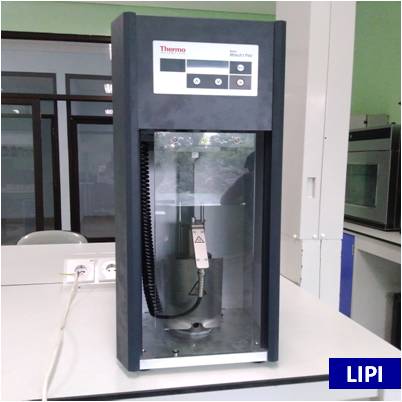
The Minijet Pro HAAKE is a molding machine equipped with a hydraulic pressure system and heating system, designed to produce dumbbell-shaped specimens from thermoplastic materials in accordance with ASTM D638 Type IV and Type V specimen geometries.
General Requirements-
The service fee is calculated based on the number of specimens molded.
-
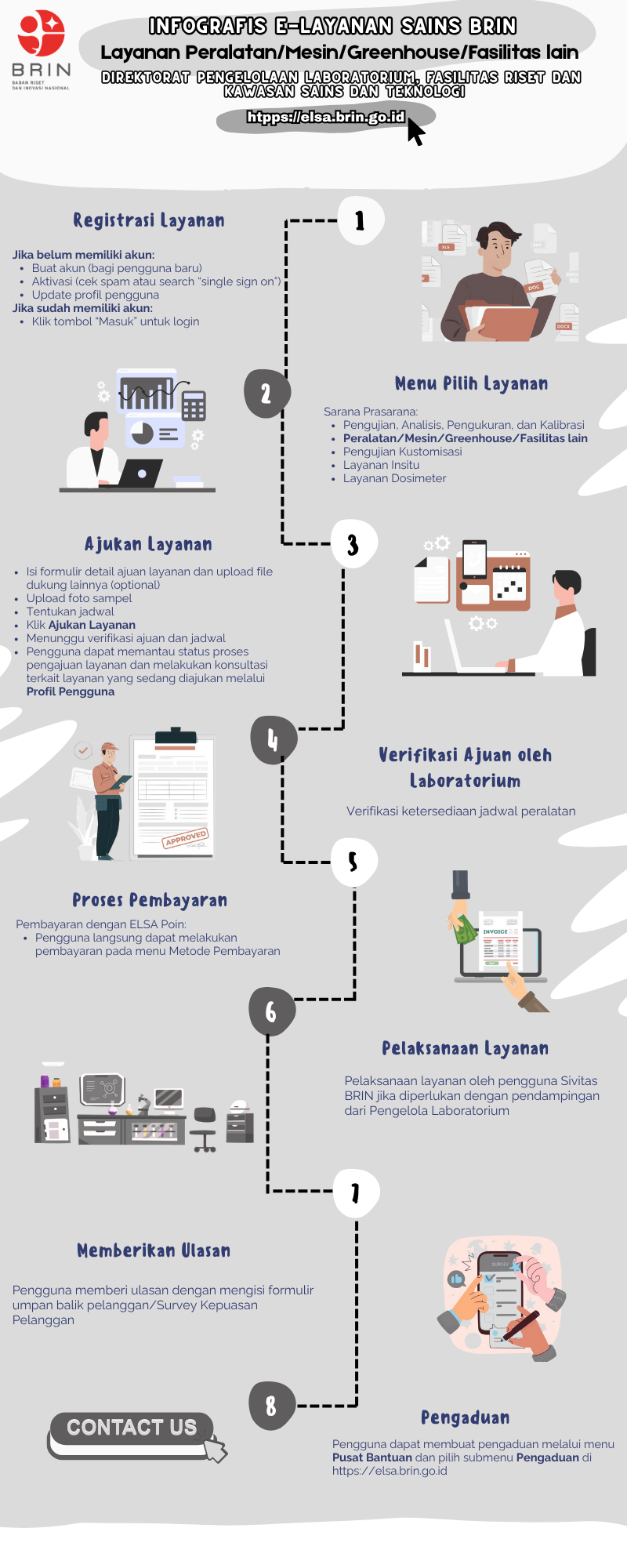
Service requests must be submitted for available time slots. Please check the schedule before submitting a request.
-
Users must upload the required supporting documents:
-
The Form Detail Pengujian (FDU), which can be downloaded from the Service Documents menu.
-
A photograph of the sample.
-
-
Incomplete supporting documents may result in the service request being rejected by the verifier.
-
Ensure that the sample name and quantity to be processed match the information provided in the ELSA service request form.
-
The Minijet Pro HAAKE must be operated independently by the researcher under the supervision of the equipment person in charge (PIC).
-
Equipment use is permitted only after the ELSA service request has been fully paid.
-
The equipment is intended exclusively for processing thermoplastic materials.
-
Maximum processing temperature: 130°C.
-
Prohibited materials: PVC, acidic materials, and corrosive materials.
-
Users must understand and follow the equipment's Standard Operating Procedure (SOP) and all laboratory safety instructions before operation.
-
Users must wear appropriate personal protective equipment (PPE), including heat-resistant gloves when handling hot molds or specimens, as required by the SOP.
-
Users must exercise caution when working with heated surfaces and the hydraulic pressing system to prevent burns, crushing injuries, or other accidents.
-
Keep hands, fingers, and other body parts away from the mold and pressing area while the equipment is operating.
-
Do not exceed the maximum processing temperature of 130°C or operate the equipment outside its specified operating limits.
-
Only suitable thermoplastic materials may be processed. PVC, acidic materials, and corrosive materials are strictly prohibited.
-
Any unusual noise, leakage, malfunction, or other unsafe condition must be reported immediately to the equipment PIC. Stop operation if it is safe to do so.
-
Users must not modify, dismantle, or repair the equipment without authorization from the equipment PIC.
-
Users must not leave the equipment unattended during operation.
-
Allow the mold and specimens to cool to a safe handling temperature before removing or handling them.
-
Users are responsible for cleaning the mold and work area after completing the molding process, following the equipment SOP.
-
Remove residual thermoplastic material from the mold and surrounding work area only after the equipment has reached a safe temperature and the cleaning procedure has been approved.
-
Use only appropriate cleaning tools and methods to avoid scratching, damaging, or contaminating the mold and equipment.
-
Do not use solvents or cleaning agents that may damage the mold, equipment surfaces, or components.
-
Ensure that the mold and work area are clean and free of residual material before leaving the laboratory.
-
Dispose of material residues and waste according to laboratory waste-management procedures.
-
Report any damage, contamination, or abnormal equipment condition to the equipment PIC immediately.
-
Users are responsible for the safe handling and suitability of their materials, compliance with laboratory procedures, and cleanliness of the equipment and work area after use.