

Paid
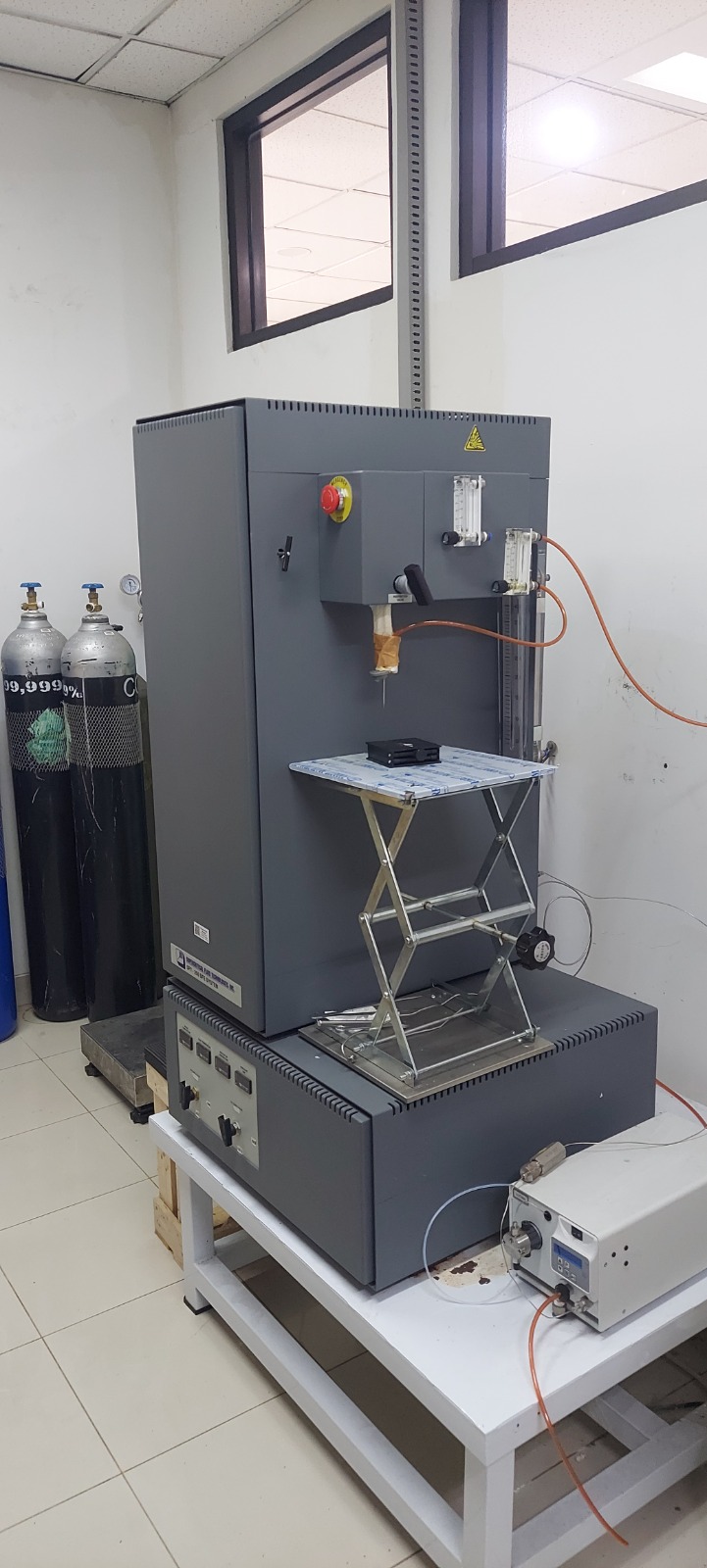
SERVICE DESCRIPTION | Supercritical fluid extraction (SFE) using the SFT-250 type is a method of separating a component from solid or liquid materials by using supercritical fluid—a substance above its critical temperature and pressure—as the main solvent. The…
- Laboratorium Kimia dan Bioproses - LAPTIAB
- Directorate for Laboratory Management, Research Facilities, and Science and Technology Park
- KST Serpong (Bacharuddin Jusuf Habibie)
Gedung 611, KST BJ Habibie, Serpong 15314, Tangerang Selatan, Banten, Indonesia - 089682640509
- laptiab@brin.go.id
Marketing Office
Deputi Bidang Infrastruktur Riset dan Inovasi BRIN
-
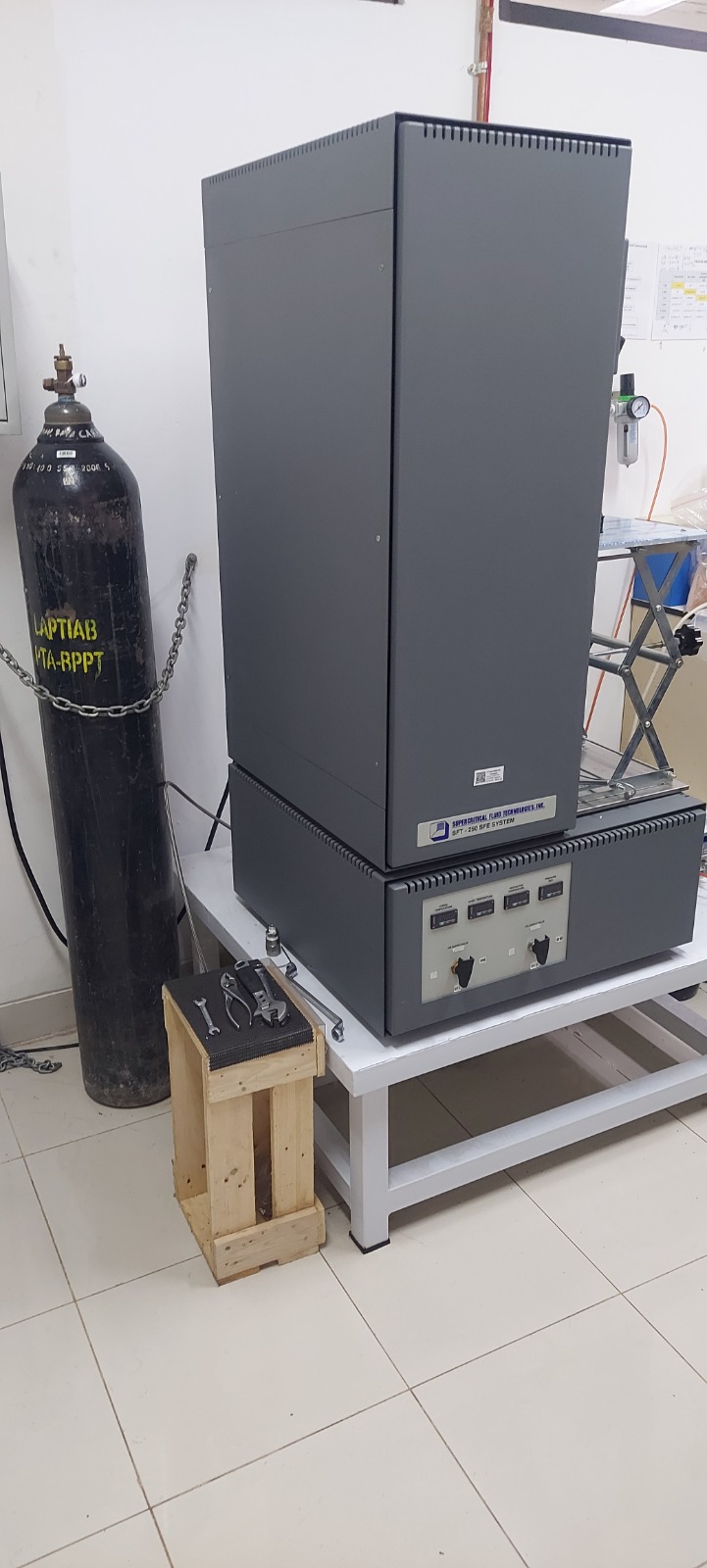
Supercritical fluid extraction (SFE) using the SFT-250 type is a method of separating a component from solid or liquid materials by using supercritical fluid—a substance above its critical temperature and pressure—as the main solvent. The solvent used is carbon dioxide (CO₂) because it is safe, non-toxic, environmentally friendly, and has a low critical point (31°C and 72-74 bar).
Operating conditions: P max = 400 bar; T = 30-100°C; CO₂ flow rate = 20 g/min (at room P and T)
Sample requirements: solid shape with a maximum fineness of 100 mesh; weight 50-100 g.
Some advantages of SFE include:
- Environmentally friendly: It doesn’t use harmful organic solvents and aligns with the concept of green chemistry.
- Low temperature: Suitable for compounds that are easily damaged or sensitive to heat (like essential oils and vitamins).
- Selective: The solvent’s dissolving power can be adjusted just by changing the machine’s temperature or pressure.
- Fast process: High diffusion makes extraction times shorter (10–60 minutes) compared to conventional methods.
However, SFE also has a drawback, which is limited CO₂ solubility, because pure CO₂ is non-polar. Sometimes a small amount of additional solvent (entrainer or co-solvent like ethanol) is needed to extract polar compounds.
This service is a contractual service with service standards involving the use of equipment and machines, so users are asked to prepare CO₂ gas (supplied by the vendor PT. WAP Andalan Indonesia, which is the standard we use for both the gas and the cylinder), and also if additional solvents are needed for the extraction.
Operating conditions: P max = 400 bar; T = 30-100°C; CO₂ flow rate = 20 g/min (at room P and T)
Sample requirements: solid shape with a maximum fineness of 100 mesh; weight 50-100 g.
Some advantages of SFE include:
- Environmentally friendly: It doesn’t use harmful organic solvents and aligns with the concept of green chemistry.
- Low temperature: Suitable for compounds that are easily damaged or sensitive to heat (like essential oils and vitamins).
- Selective: The solvent’s dissolving power can be adjusted just by changing the machine’s temperature or pressure.
- Fast process: High diffusion makes extraction times shorter (10–60 minutes) compared to conventional methods.
However, SFE also has a drawback, which is limited CO₂ solubility, because pure CO₂ is non-polar. Sometimes a small amount of additional solvent (entrainer or co-solvent like ethanol) is needed to extract polar compounds.
This service is a contractual service with service standards involving the use of equipment and machines, so users are asked to prepare CO₂ gas (supplied by the vendor PT. WAP Andalan Indonesia, which is the standard we use for both the gas and the cylinder), and also if additional solvents are needed for the extraction.